


Sales Funnel Stages: Creating Content for Each Step
Understanding the sales funnel is crucial for any business aiming for growth. It’s not just about attracting customers but guiding them seamlessly toward making a purchase. Let’s dive into how you can create compelling content for each stage of the sales funnel! 🎯
Table of Contents
1. Introduction to Sales Funnel Stages
2. Awareness Stage: Capturing Attention 👀
3. Interest Stage: Building Engagement 💬
4. Decision Stage: Guiding Choices 🛤️
5. Action Stage: Encouraging Conversions 🛒
6. Conclusion: Aligning Content with Funnel Stages
7. FAQs

Introduction to Sales Funnel Stages
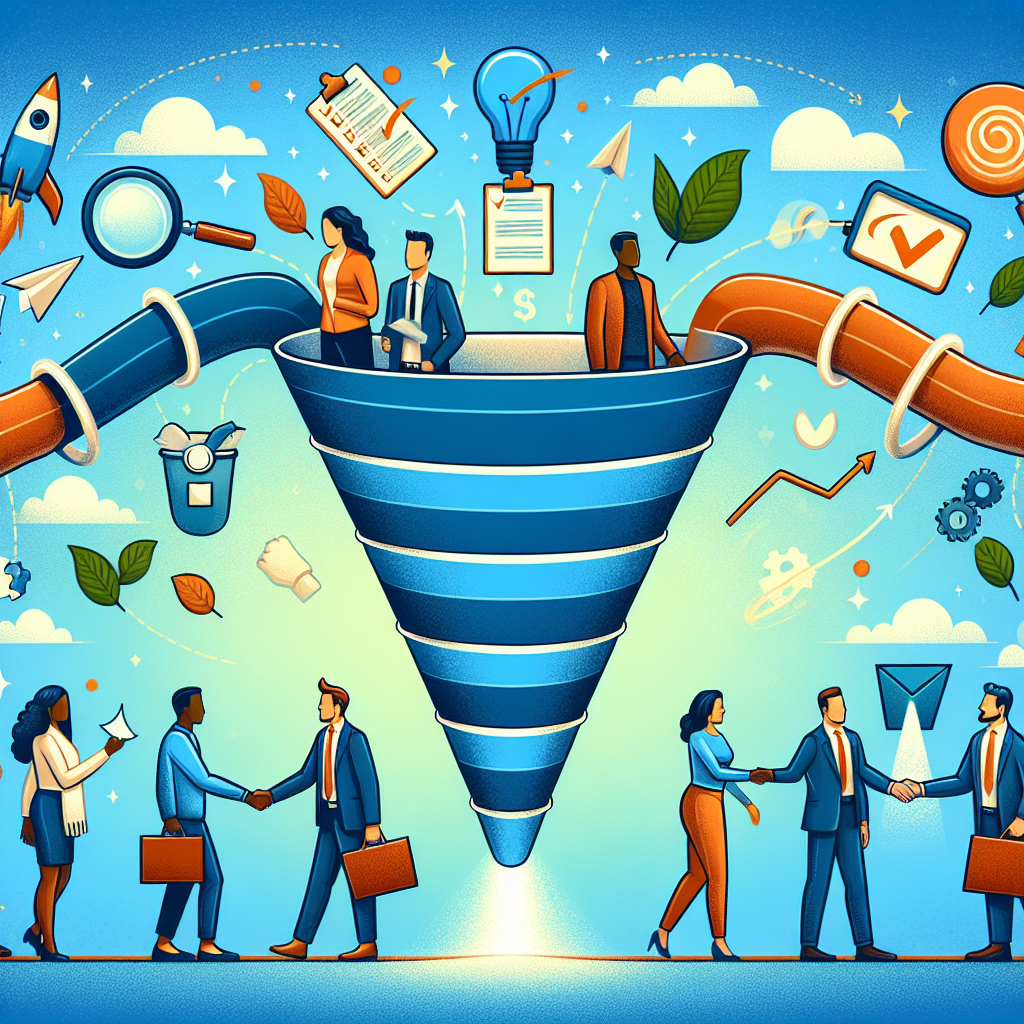
Before we get into the specifics, let’s clarify what a sales funnel is. Imagine it as a customer journey map, starting from when they first hear about your brand to when they become loyal patrons. The funnel is divided into stages, each requiring different strategies and content types. Understanding these stages lets you offer the right content at the right time.
Awareness Stage: Capturing Attention 👀
At the top of the funnel, potential customers are just discovering your brand. Your goal? Grab their attention! At this stage, focus on educational and entertaining content. Think blog posts, infographics, and social media updates that address pain points or spark interest.
Keywords to use: “what is,” “how to,” and “guide to” can help attract users searching for information. For instance, a blog post titled “What is a Sales Funnel and How Does it Work?” can position your brand as an authority in the field.
Interest Stage: Building Engagement 💬
Now that you’ve caught their attention, it’s time to nurture their interest. Content here should deepen their understanding and keep them engaged. Consider detailed guides, email newsletters, and webinars.
Encourage readers to subscribe or follow for more insights. Using keywords like “benefits of,” “features of,” and “compare” can help boost search visibility. Remember, it’s about building a relationship, not just selling.
Decision Stage: Guiding Choices 🛤️
This is where your audience evaluates whether to choose your product or service. Provide content that helps them make informed decisions. Case studies, product comparisons, and testimonials are invaluable here.
Craft compelling calls to action (CTAs) that guide them towards making a decision, like “See our case study” or “Why choose us?” Use keywords that reflect urgency and value, like “best,” “top,” and “review.”
Action Stage: Encouraging Conversions 🛒
The moment of truth! Your content should now focus on sealing the deal. Clear CTAs are crucial, as are limited-time offers and detailed FAQs that address any potential hesitations.
Keywords such as “buy now,” “get started,” and “sign up” are ideal. Ensure your purchase process is streamlined and user-friendly, minimizing obstacles to conversion.
Conclusion: Aligning Content with Funnel Stages
Creating content for each stage of the sales funnel is all about understanding your audience’s journey and needs. By providing the right information at the right time, you not only guide them smoothly down the funnel but also build lasting relationships that transcend the transaction. Happy content creating! 🚀
FAQs
What is the purpose of a sales funnel?
A sales funnel helps businesses visualize the journey customers take from awareness to purchase, ensuring targeted content and strategies at each stage.
How can I measure the effectiveness of my funnel content?
Track metrics like engagement rates, conversion rates, and bounce rates to gauge how well your content is performing at each stage of the funnel.
What if my audience doesn’t follow the funnel stages?
Not all customers follow a linear path. It’s important to offer varied content and be flexible in your approach to cater to different customer journeys.